19 Μαρτίου, 2026
17 Μαρτίου, 2026
I Did 100 Squats Daily For A Month Here Are The Results
That said, he suggests starting with just your bodyweight first to master the movement and build confidence before adding load. For most people, starting with the bodyweight version and focusing on controlling the descent is the right approach. Once balance is consistent and range of motion is solid, adding light load and experimenting with tempo are natural next steps.
- Failure to execute squat exercises with optimal form leads to reduced training effectiveness, an increased risk of overuse injuries, and an increased risk of catastrophic injury.
- Think of your body as a unique blueprint; what strengthens one person might strain another.
- This compound movement not only targets the quadriceps, hamstrings, and glutes but also strengthens the core and stabilizing muscles.
- If there’s one exercise that has the ability to challenge most of the muscles in your body, it’s the squat.
- Squat variations provide multiple ways to target specific muscle groups, adapt to different fitness levels, and challenge your body in new ways.
- The greatest benefit is that squatting will improve lower body absolute strength.
Leg presses still provide metabolic benefits, especially when performed with high volume or as part of circuit training. The focused nature allows you to push your legs to exhaustion, creating metabolic stress that contributes to muscle growth and conditioning. Squats generate significantly higher calorie expenditure compared to leg presses. The full-body nature of squats activates more muscle tissue, requiring greater energy output during and after exercise. Your metabolic rate increases proportionally to the amount of muscle mass engaged. By working on the glutes and core, you’ll protect your lower back from injury and improve the alignment of your hips.
Squat Benefits for Fitness and Strength
For rehabilitation purposes or specific hypertrophy goals, leg presses offer advantages. You can train your legs intensely without the technical demands of squatting. This makes leg presses valuable for beginners or those returning from certain injuries who need controlled strength development. Far more than just a core workout, Pilates is designed to make your body move more efficiently, with better balance and coordination.
What are the benefits of doing squats?
Below we dive into the science behind it all, including exploring the main squat variations and the correct squat form. Loading up a barbell with cast iron olympic weight plates and squatting for three sets of five reps can help increase bone density throughout your body. Strengthening all of these muscles is important regardless of your fitness level. For example, bodybuilders squat to bulk up, runners squat to improve performance, and everyone can squat to enhance quality of life.
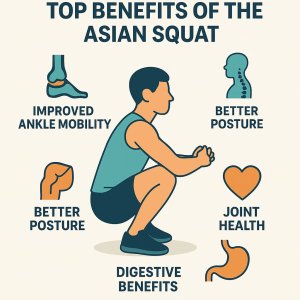
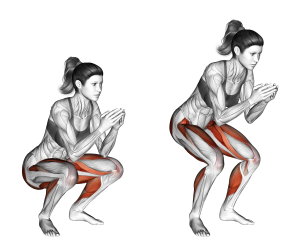
These squats are pretty difficult, but they do a great deal when it comes to strengthening a specific leg and they are excellent for increasing your balance as well. This type of squat involves a wide stance with your toes pointed slightly outwards, plus you also want to dip down as low as you can go, more or less until your butt touches your heels. For an added challenge, keep your arms crossed at your chest while squatting. Squats never have your feet leaving the ground, therefore being just fine for your joints, and can even strengthen your knee joints too. Even in bodyweight squats, the arms and shoulders are often used for counterbalance, subtly engaging to assist with balance and coordination throughout the movement.
Squat Variations: Explore different squat types like front, back, and sumo to target various muscle groups effectively
In this article, you will explore the main benefits of squats, along with expert tips and variations like front squats and deep squats to help you get the most out of your training. Whether you are new to exercise or experienced in the gym, squats may be a powerful tool for building strength and improving athletic performance. Squatting is healthy because it engages multiple large muscle groups, including the glutes, quads, hamstrings, and core. It promotes cardiovascular health, increases joint flexibility, and improves balance and coordination. It also helps with daily functional movements like lifting and bending.
Overhead squats
The key to safely incorporating squats into an exercise routine for hip arthritis lies in intelligent modification. Adjusting the exercise can help reduce stress on the hip joint while still allowing for muscle strengthening and functional improvement. These adaptations make squats accessible and beneficial, even with joint limitations.
Absolute Strength vs. Relative Strength
Next, squats are completely free to do, thus saving you a whole lot of money. Sure, you can add some weights to your routine, which do of course cost money, but the basic squat is completely free to do. On that same note, you can do squats without or with weights, thus letting you set the level of resistance that you face with each dip down. Another thing which squats are shown to be effective at is for removing waste from your body. Exercises such as squats, which use your muscles and challenge your cardio system, do a great job at getting rid of unwanted toxins, chemicals, and compounds.
Impact On Strength And Power
The benefits of a front squat include strengthening your hips and core, as well as working your quads, hamstrings, and glutes. Front squats place more emphasis on your anterior chain (the muscle groups located in the front of your body) and are a quad-dominant exercise. This form of squat also puts less stress on your knees which can help prevent injury and improve range of motion. Beginners can break it into smaller sets throughout the day, performing mostly bodyweight squats. More advanced participants can add weights or variations, such as jump squats, for increased intensity.
Benefits of Squats
The muscle activation rate of the quadriceps muscles during the full barbell squat during the ascending (lifting) phase is approximately 78%–110%. The activation rate for the gluteus maximus during the full barbell squat is about 55%. Therefore, performing the squat exercise is great for lower-body muscle development. This is important for anyone who wants to improve strength in the quadriceps or glute muscles. Following safety tips while squatting is crucial to prevent injuries and ensure effective workouts. Maintaining proper form, using appropriate weights, warming up before squats, and listening to your body are essential practices for safe and efficient squatting sessions.
Reduced cellulite
He further states that this results in stronger ankles, knees, and hips, which are essential for mobility as you age. When performed with added resistance or at a faster pace, squats increase your heart rate and can boost metabolism. Variations like jump squats are particularly effective for high-intensity workouts, creating an afterburn effect that allows your body to continue burning calories after you finish training. When performed correctly, squats activate smaller stabilizer muscles often overlooked in machine-based exercises.
Strengthening Bones and Preventing Osteoporosis
Rest periods between leg training sessions become crucial as intensity increases. Most people need hours for full recovery before training the same muscle groups again. Some training blocks might emphasize squats with 4-5 heavy sets while using leg presses as accessory work. Finding the right balance between leg presses and squats requires careful planning based on your recovery capacity and goals. Yet this exercise was also recommended to me by my Pilates instructor after giving birth to my son two years ago, as unimeal app reviews it’s fantastic for working the deep core muscles.
Αφήστε μια απάντηση