20 Μαρτίου, 2026
19 Μαρτίου, 2026
Fake Plinko Ball Game: UK Player Warning
Review
The fake plinko ball game is a simplified Plinko-style online casino game that has recently appeared on several offshore sites targeting players from the United Kingdom. This review examines the gameplay, fairness concerns, where UK players commonly encounter it, and practical advice for staying safe. If you like fast rounds, simple visuals and immediate results, this genre can be tempting — but not all versions are created equal.
What the Fake Plinko Ball Game Looks Like
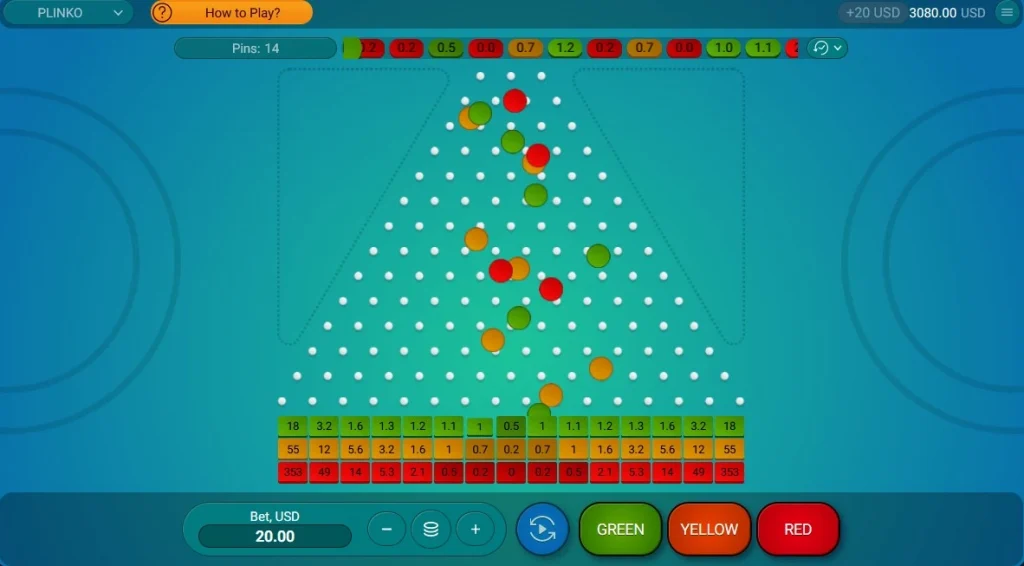
On the surface, the fake plinko ball game mimics classic television Plinko: you drop a ball from the top of a pegged board and watch it bounce into prize slots. Graphics are often minimalistic: a grid of pegs, a flipper or drop button, and prize multipliers at the bottom. What distinguishes many suspicious versions is unusually high volatility promises (huge multipliers) and a lack of transparent return-to-player (RTP) information.
Gameplay Mechanics
- Player selects stake and drops a ball.
- Ball travels down bouncing off pegs and lands in a slot with a multiplier.
- Payout equals stake × multiplier (minus house cut if any).
- Some sites add “power-ups” or “bonus falls” to encourage higher wagers.
Where to Play in the UK
Legitimate UK-facing casinos will display a UK Gambling Commission license and offer certified games from well-known providers. The fake plinko ball game tends to appear on:
- Unlicensed offshore casinos marketed through social ads and streaming influencers.
- “Instant win” pages that require crypto or e-wallet deposits with minimal checks.
UK players should restrict themselves to licensed operators listed on the UKGC register or reputable brands with audited game libraries.
Fairness and Technical Concerns
Key red flags for the fake plinko ball game:
- No published RTP or misleading RTP claims (e.g., “99% possible wins”).
- Proprietary RNG with no third-party audit.
- Rapid-play loops designed to encourage chasing losses.
- Bonuses that cannot be withdrawn due to impossible wagering conditions.
Even if the animation looks plausible, older or unscrutinized Plinko clones can use deterministic sequences that reduce genuine randomness. When in doubt, avoid depositing real money.
Bonuses and Terms
Many operators promote free spins or deposit matches specifically for the plinko-style game. Read wagering requirements carefully: some sites exclude withdrawals on wins from the fake plinko ball game, or weight them differently against rollover rules.
How to Play Safely (for UK Players)
- Check for UKGC licensing and certificates from testing labs (e.g., eCOGRA, iTech Labs).
- Use verified payment methods and avoid casinos that insist on crypto-only deposits.
- Play demo mode first when available to observe payout frequency.
- Set strict bankroll limits and session timeouts to prevent chasing.
- Verify that game history and transaction records are accessible for disputes.
Demo and Trial
Many legitimate sites offer a demo of a Plinko-style game where you can play with virtual credits. This is an excellent way to judge whether the game feels fair and whether the paytable is realistic. Fake operators may not provide a demo or may limit demo functionality to obscure differences from the paid version.
Questions and answers
Frequently asked questions
- Is the fake plinko ball game rigged? It can be. Without third-party audits or transparent RTP, rigging is a risk.
- Can UK players legally play it? Only if the operator is licensed to offer remote gambling to UK customers. Playing at unlicensed sites carries legal, financial and security risks.
- Are demo rounds identical to real-money rounds? Not always. Some sites alter RNG parameters between demo and paid modes to appear fairer in demo play.
Frequently unasked questions
- Why do some versions display huge top multipliers? Often to lure players; genuinely sustainable RTPs rarely support persistent ultra-high multipliers without depth in game mechanics.
- How do withdrawal disputes usually end? With unlicensed sites, players often have little recourse; UKGC-licensed sites are bound by complaint processes and dispute resolution.
Expert feedback
Experienced Player
“I tried a flashy Plinko clone on an offshore site. The game felt tight — long losing streaks then small wins. When I contacted support about weird rollover terms, they avoided specifics. I withdrew and switched to a UK-licensed operator with audited games.” — a veteran casual player.
Regulatory and Consumer Protection Notes
UK players benefit from specific protections if playing on UKGC-licensed sites: responsible gambling tools, clear complaint channels, financial safeguards, and enforced fairness standards. Offshore sites targeting UK players may exploit marketing rules and provide fewer protections, even when their front-end looks polished.
Comparison with Similar Games
Plinko-style titles sit alongside other instant-win vertical-fall games like Pachinko clones, Peg Drop, and Drop & Win mechanics. The genuine licensed variants usually come from established providers who disclose RTP, volatility, and provide provably fair or audited RNGs.
User Stories: Interview with a Player Who Won in a Casino-Game
Short Interview
Interviewer: Tell us about your experience winning on a Plinko-style game.
Winner: I won a decent amount playing at a UK-licensed site. I always use demo first, check the paytable, and set a loss limit. The win felt lucky, but it was on a certified game with a clear RTP.
Interviewer: Any tips for other UK players?
Winner: Look for audits and a solid license. Avoid games that only exist on shady casinos or promise unbelievable returns.
Table with the main parameters of the game
| Parameter | Typical Value (Licensed) | Risk Signs (Fake) |
|---|---|---|
| RTP | 85%–96% (published) | Not stated or claimed >99% |
| Volatility | Low–High (documented) | Unrealistic huge multipliers without balance |
| Audit | Third-party certified | No audits, opaque RNG |
| Payment Methods | Cards, e-wallets, regulated | Crypto-only, anonymous services |
Final Verdict
The fake plinko ball game can be entertaining, but UK players must be cautious. Prefer games hosted by UKGC-licensed operators and recognized providers. Test demo modes, read terms closely, and avoid casinos that hide basic information like RTP or auditing status. If something feels off — aggressive bonus T&Cs, crypto-only offers, or evasive support — walk away.
Where to Go Next
If you believe you’ve encountered a fraudulent operator, report them to the UK Gambling Commission and your payment provider. Use reputable comparison sites to find licensed casinos that list Plinko-style games from verified developers.